

Promoting Digital Well-Being Among Moroccan Adolescents: From Research to School-Based Prevention
By: Samiha Imrani1
1PhD Candidate in Education Sciences
Hassan II University of Casablanca, Morocco
Adolescent digital well-being is becoming an important concern in Morocco, as in many other countries. Smartphones, social media, online videos, messaging applications, and digital entertainment are now part of adolescents' daily lives. These tools offer opportunities for learning, communication, and creativity. However, when digital use becomes excessive, poorly regulated, or emotionally driven, it may interfere with sleep, concentration, school engagement, family relationships, and psychological well-being.
In the Moroccan context, this issue is particularly relevant because adolescents are growing up in a rapidly changing digital environment, while schools and families are still developing practical ways to address it. Many parents and educators recognize that smartphones have become central in young people's routines, but they often lack culturally adapted tools to discuss digital habits without blaming, frightening, or stigmatizing adolescents. This creates a need for prevention approaches that are educational, respectful, and rooted in the everyday realities of Moroccan youth.
As part of my doctoral research in Education Sciences at Hassan II University of Casablanca, I have been working on problematic Internet and smartphone use among Moroccan adolescents. My research focuses on understanding how digital use is associated with adolescents' daily functioning, including sleep, attention, school engagement, and perceived academic difficulties. Fieldwork with Moroccan students has shown that digital use cannot be reduced to screen time alone. It is also connected to emotional regulation, peer communication, boredom, family rules, school routines, and the availability of meaningful offline activities.
One important step in this work has been the cultural adaptation of research and educational tools. In Morocco, adolescents may speak Arabic (Moroccan dialect), Amazigh, French, or a combination of these languages in their daily lives. For prevention to be understood and accepted, materials need to be linguistically accessible and culturally meaningful. For this reason, Arabic-language and locally adapted supports were prepared to facilitate classroom-based discussions about digital habits, self-control, sleep, attention, and healthier routines.
Building on this research, school-based awareness sessions were conducted with adolescents in Casablanca. These sessions aimed to create a safe and interactive space where students could reflect on their own digital habits, without feeling judged. The objective was not to present technology as bad, but to help adolescents identify situations in which digital use may become automatic, excessive, or harmful to their well-being. Discussions focused on practical questions: When does smartphone use become difficult to stop? How does late-night scrolling affect sleep? What happens when online activities interfere with homework or attention in class? What strategies can help adolescents regain balance? Schools are not only places for academic learning; they are also key environments for promoting mental health, self-regulation, and healthy routines. Teachers and school staff are often among the first adults to notice changes in students' concentration, motivation, fatigue, or social behavior. However, they need simple and evidence-informed tools to respond constructively. School-based prevention can therefore serve as a bridge between research, education, family awareness, and adolescent mental health promotion.
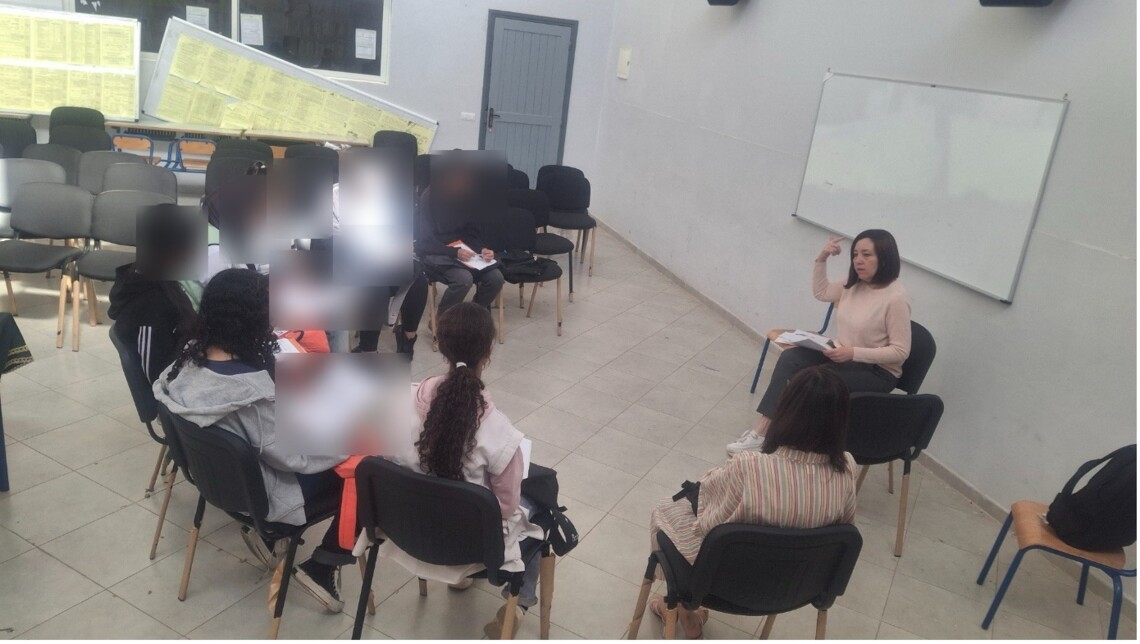
Figure 1. A school-based awareness session promoting adolescent digital well-being in Casablanca, Morocco.
A central principle of this initiative is cultural adaptation. International programs and scientific models are highly valuable, but they cannot simply be transferred from one context to another without adjustment. In Morocco, prevention must consider language, family expectations, school culture, social norms, and unequal access to psychological services. Many adolescents and families may not seek mental health support unless difficulties become severe. This makes early, school-based awareness particularly important.
Another key principle is avoiding a punitive or fear-based approach. Adolescents are more likely to engage when they feel respected and when their digital practices are understood as part of their social and emotional world. Prevention should help them develop awareness, autonomy, and practical strategies rather than shame. For example, students can be encouraged to observe their own patterns, set realistic limits, protect sleep time, reduce automatic checking, and replace some online routines with meaningful offline activities.
This emerging Moroccan initiative remains modest, but it reflects a growing need in the region: to address adolescent digital well-being through culturally adapted, school-based, and preventive approaches. Future steps include strengthening collaboration between researchers, educators, families, and mental health professionals; developing structured intervention materials; and evaluating the acceptability and effectiveness of school-based prevention programs in Moroccan settings.
Digital tools are now part of adolescent life and will continue to be. The challenge is not to remove them, but to help young people use them in ways that support learning, relationships, creativity, and mental health. In Morocco, as elsewhere, promoting adolescent digital well-being requires listening to young people, understanding their realities, and building prevention initiatives that are both scientifically informed and culturally grounded.
This article represents the view of its author and does not necessarily represent the view of the IACAPAP's Bureau or Executive Committee.
