

From Specialist Knowledge to Clinical Practice: Developing Multidisciplinary Training in Reactive Attachment Disorder and Disinhibited Social Engagement Disorder
By: Dr Kate Moran1, Dr Claire Davidson-Jamieson2 and Professor Helen Minnis3
1Assistant Professor of Clinical Psychology, University of Galway, Ireland
2Research Associate, Advanced Practice Speech and Language Therapist, University of Glasgow, UK
3Professor of Child and Adolescent Psychiatry, University of Glasgow, UK
Reactive Attachment Disorder (RAD) and Disinhibited Social Engagement Disorder (DSED) are, alongside PTSD, classified within the trauma and stressor related disorders in the DSM-51. Both presentations are associated with experiences of abuse, neglect, and disrupted caregiving in early childhood. They are characterised by profound difficulties in forming and maintaining appropriate interpersonal relationships. RADs core symptoms are failure to seek or accept comfort, to signal distress, or use caregivers as a secure base. In contrast, DSED is characterised by indiscriminate sociability, including an inappropriate willingness to approach and interact with unfamiliar adults, poor social boundaries, and an absence of developmentally appropriate caution around strangers1. Both presentations can have significant implications for children and young people’s social, emotional, and developmental wellbeing, with difficulties often persisting into adolescence and beyond2. Unfortunately, RAD and DSED remain under-recognised and/or misdiagnosed in services. We know that accurate recognition has important implications for assessment, formulation, intervention planning, placement stability, and long-term developmental outcomes. Greater awareness of these presentations is therefore essential to ensure better outcomes for young people.
Anecdotally, many clinicians report low levels of confidence in recognising, assessing, and working with these presentations, and there remain limited opportunities for formal multidisciplinary training in this area. In response to this perceived gap in workforce knowledge and confidence, a multidisciplinary training initiative was developed collaboratively by clinicians in Scotland and Ireland with backgrounds in speech and language therapy, child and adolescent psychiatry, and clinical psychology. The programme draws upon more than a decade of combined clinical and research expertise in attachment, relational trauma, neurodevelopment, and maltreatment-associated presentations. Members of the training team have published extensively within this field and have contributed to ongoing clinical-academic developments relating to the assessment and understanding of RAD and DSED. The initiative also builds upon multiple previous teaching and dissemination activities delivered across NHS, third-sector, and professional training contexts, including invited teaching through national and international professional organisations.
The initiative was designed to support clinicians in developing greater confidence in recognising, assessing, and formulating RAD and DSED. The programme seeks to move beyond purely theoretical discussions to provide clinically relevant, neurodevelopmentally informed, and trauma and relational informed approaches to assessment and formulation. The training programme was developed as a tiered model consisting of both Level one and Level two offerings.
Level one training focuses on foundational knowledge, including presenting symptoms and the interplay between neurodivergence and trauma alongside co-occurrence with RAD and DSED, and assessment options for such presentations.
Level two training provides more advanced teaching in relation to assessment using the multi-informant standardised assessment package, alongside observational approaches which support holistic identification and differential diagnosis. It also explores how assessment findings can inform clinical formulation, complexity, and multidisciplinary intervention planning.
To date, the formalised multidisciplinary training programme has been delivered to child clinicians in Scotland with plans for delivery in Ireland in the coming months. The attendees included professionals from nursing, psychology, psychiatry, speech and language therapy, occupational therapy, and social work. The multidisciplinary nature of attendance has been particularly valuable, reflecting the reality that children and young people with complex presentations are often supported across multiple professional systems and services. Feedback from participants has highlighted a strong appetite for structured teaching in this area. Clinicians frequently described having had little or no previous training exposure and reported increased confidence in recognising and formulating presentations associated with RAD and DSED following attendance. Participants also valued opportunities for multidisciplinary discussion, particularly around differential diagnosis, overlapping neurodevelopmental presentations, and the complexities of presentations.
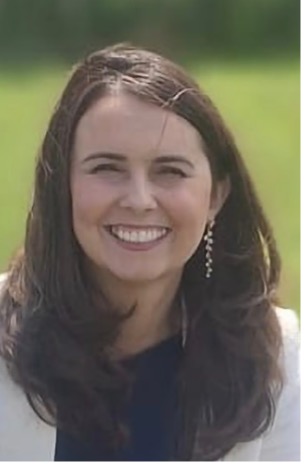
Figure 1
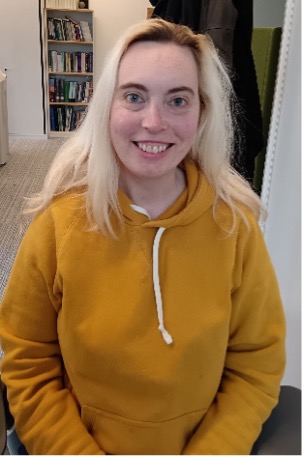
Figure 2

Figure 3
Figure 1: Team of trainers L to R, Dr Kate Moran, Dr Claire Davidson-Jamieson, Prof Helen Minnis
Alongside the training initiative, related research is currently underway examining clinician knowledge and confidence regarding RAD and DSED across the UK and Ireland. While concerns regarding limited familiarity with these presentations are commonly discussed anecdotally within clinical arenas, there remains relatively little empirical data exploring workforce capability and training needs in this area. A similar study is also being extended to social work populations within Scotland, reflecting broader interest in cross-sector understanding of maltreatment-associated presentations.
As the initiative has developed, there has been increasing consideration of the importance of sustainability and scalability in workforce development. Historically, specialist knowledge regarding RAD and DSED has often remained concentrated within relatively small numbers of clinicians and academic groups. However, meaningful service development requires broader workforce understanding across frontline systems. Increasing the number of clinicians who can confidently recognise the specific features of RAD and DSED is essential if children and young people are to receive timely, informed, and appropriate care. In response, the programme is now moving towards a train-the-trainer model aimed at supporting wider dissemination of knowledge and increasing local training capacity. The development of this programme has reinforced the importance of multidisciplinary collaboration when working with vulnerable children and young people who have experienced maltreatment. It has also highlighted the value of creating accessible and clinically relevant training opportunities that bridge specialist clinical-academic expertise with frontline workforce development.
As awareness of trauma-informed care continues to grow internationally, there remains a need for greater dialogue, education, and research regarding RAD and DSED across child and adolescent systems. We hope this initiative contributes towards strengthening clinician confidence, promoting multidisciplinary understanding, and ultimately improving care for some of the most vulnerable children and young people within our services.
References
- American Psychiatric Association. Diagnostic and statistical manual of mental disorders. 5th ed. Washington (DC): American Psychiatric Association; 2013.
- Seim AR, Jozefiak T, Wichstrøm L, Kayed NS. Validity of reactive attachment disorder and disinhibited social engagement disorder in adolescence. European Child Adolescent Psychiatry. 2020;29(10):1465-1476. doi:10.1007/s00787-019-01456-9.
Conflict of interest: None declared.
This article represents the view of its authors and does not necessarily represent the view of the IACAPAP's Bureau or Executive Committee.
