

From Reform to Practice: The Łódź Congress and the Transformation of Child and Adolescent Mental Health Care in Poland
By Natalia Szejko MD, PhD 1,2, Dorota Kleszczewska, MPH, PhD1 and Aleksandra Lewandowska1,2, MD, PhD1,2
1Department of Health Sociology, Education and Medical Communication, Institute of Mother and Child, Warsaw, Poland
2Department of Child Psychiatry, Babinski Hospital, Lodz, Poland
Introduction
Poland’s ongoing reform of child and adolescent mental health care has sought to move the system beyond predominantly hospital-based treatment towards accessible, multidisciplinary and community-oriented care. Systemic reform, however, requires more than new organizational structures: it also requires a shared professional culture, dialogue across disciplines and sectors, and platforms where emerging models of care can be discussed and translated into practice. The 2025 Congress of the Polish Society of Child and Adolescent Psychiatry, Psychology, Psychotherapy and Community Therapy in Łódź represented such a platform. Bringing together clinicians, psychologists, psychotherapists, community therapists, researchers, educators and representatives of key public institutions, the Congress reflected both the achievements and the continuing challenges of Poland’s mental health-care transformation. In this article, we use the Łódź Congress as a lens through which to examine the evolving model of community-based child and adolescent mental health care in Poland.
The Reform Context of the Łódź Congress
Since April 1, 2020, a reform of the child and adolescent psychiatric care system has been implemented in Poland (Information on the current status of work on reforming the mental health care system for children and adolescents available from: https://www.gov.pl/web/zdrowie/informacja-o-aktualnym-stanie-prac-nad-reforma-w-systemie-ochrony-zdrowia-psychicznego-dzieci-i-mlodziezy (in Polish). The reform was initiated in response to the inadequacy of the previous health care system in meeting the needs of child and adolescent psychiatry in Poland. One of the important elements of this process has been the establishment and development of the Polish Society of Child and Adolescent Psychiatry, Psychology, Psychotherapy and Community Therapy (TPPPTŚ), together with the sustained efforts of the broader professional community involved in the development of child and adolescent mental health care, including child and adolescent psychiatrists, psychologists, psychotherapists, community therapists, representatives of other medical and helping professions, experts, as well as organizations and institutions participating in the reform process. The coordination of many activities undertaken within this process is led by the National Consultant in Child and Adolescent Psychiatry, Dr Aleksandra Lewandowska, in cooperation with the Polish Ministry of Health, the Ministry of Education, and other public institutions.
The previous system of child and adolescent psychiatric care did not sufficiently incorporate a community-based model of mental health care. There were limited opportunities for comprehensive collaboration with the broader environment in which a child or adolescent functioned, including the family, school, and other institutions and individuals involved in their everyday life. Limited access to community-based care often meant that support was initiated only when difficulties had already become more severe, and inpatient psychiatric hospitalization became the first form of intensive treatment, even when hospital-based care was not always clinically necessary. 1
The primary objective of the ongoing reform is therefore the deinstitutionalization of child and adolescent psychiatric care, understood as a shift away from hospital-based treatment, predominantly medical consultations, toward outpatient and community-based services, primarily psychological and therapeutic interventions, and the implementation of a community psychiatry model.
One important outcome of the reform has been the integration of health care providers into a three-tier system of services, comprising Level I, Level II, and Level III referral centers (Figure 1). Another important outcome was the introduction of legal regulations enabling the education and professional development of medical and healthcare personnel necessary for the implementation of the reform, including clinical psychologists specializing in child and adolescent mental health, child and adolescent psychotherapists, and community therapists for children and adolescents, a new medical profession introduced into the Integrated Education and Training System.
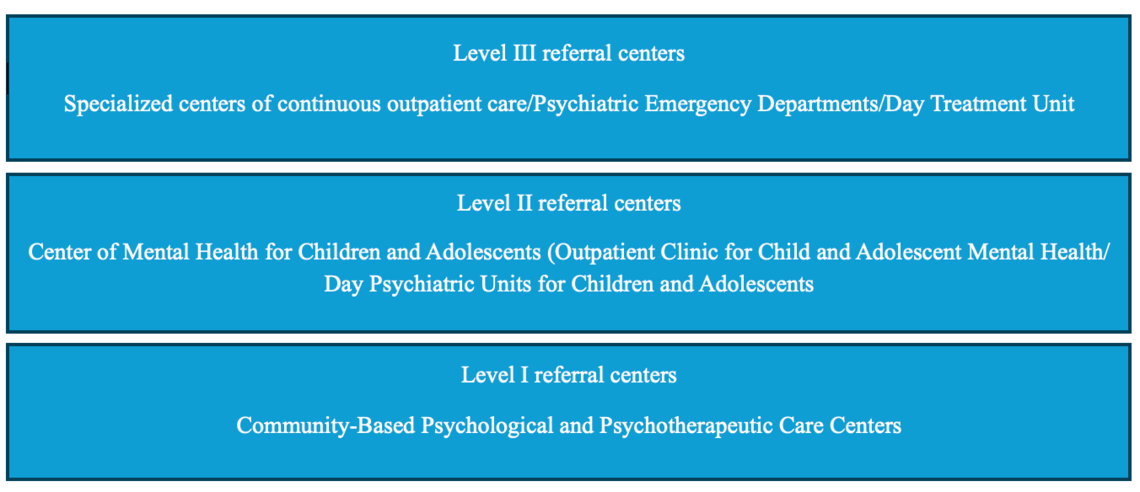
Figure 1: Three-tier system of services according to the reform of the child and adolescent psychiatry in Poland.
Polish Society of Child and Adolescent Psychiatry, Psychology, Psychotherapy and Community Therapy
The Polish Society of Child and Adolescent Psychiatry, Psychology, Psychotherapy and Community Therapy was established based on the initiative of professionals who strongly support the principles of the reform of the child and adolescent mental health care system. They are convinced of the necessity of engaging a multidisciplinary team of specialists in the diagnosis and treatment of mental health problems in children and adolescents. Collaboration with the family and the educational environment, as well as effective coordination of care, are regarded as integral components of the support system.
The primary objectives of the Society include the development and promotion of innovative initiatives, scientific activity, and educational and training programs, as well as the improvement and implementation of new models of care that foster development and cooperation in the fields of child and adolescent psychiatry, psychology, psychotherapy, and community therapy. It also aims to support other forms of intervention within child and adolescent mental health care, contributing to the continuous improvement of services and outcomes for young people.
The 2025 Congress in Łódź
The 2025 Łódź Congress provided a particularly visible expression of this transition from system reform to multidisciplinary community practice. Following the Society’s first Congress in 2024, the second Congress was held in December 2025 under the theme “The Child and Adolescent in a World of Relationships – Challenges and Opportunities of Community Psychiatry”. Rather than focusing solely on specialist psychiatric treatment, the programme reflected the broader architecture of community-based care by bringing together perspectives from psychiatry, psychology, psychotherapy, education, family support, public health and health-system organization (Figures 2 and 3).
The event was organized by the Ministry of Health, the Marshal’s Office of the Łódź Voivodeship, and the Dr. J. Babiński Specialized Psychiatric Healthcare Center in Łódź, under the auspices of the Polish Society of Child and Adolescent Psychiatry, Psychology, Psychotherapy and Community Therapy, the National Consultant in Child and Adolescent Psychiatry (Dr Aleksandra Lewandowska), the National Consultant in Child and Adolescent Psychotherapy (Prof. Agnieszka Słopień), and the National Consultant in Clinical Psychology (Prof. Bernadetta Izydorczyk).
The Congress was inaugurated by a joint session highlighting team-based work and intersectoral collaboration, with participation from representatives of the Ministry of Health, Ministry of National Education, Ministry of Family, Labour and Social Policy, Ministry of Justice, National Health Fund (NFZ), Agency for Health Technology Assessment and Tariff System, and Office of the Ombudsman for Children.
Family, Relationships, and the Child’s Perspective
A major focus of the Congress was the role of the family and immediate relational environment in child and adolescent mental health care within a community psychiatry framework. Presentations highlighted the family as both a source of emotional bonding and a potential area of difficulty, emphasizing its central position in comprehensive psychiatric support. Together, the session underscored the importance of systemic, relationship-based, and family-oriented interventions as integral components of community-based child and adolescent mental health care.
Another important theme was the importance of listening to and integrating the perspective of the child and adolescent within the therapeutic relationship, with particular attention to attachment, motivation, and relational dynamics. Overall, the session emphasized the central role of the therapeutic relationship as a dynamic, developmentally informed process, highlighting practical strategies for enhancing communication, engagement, and therapeutic effectiveness.
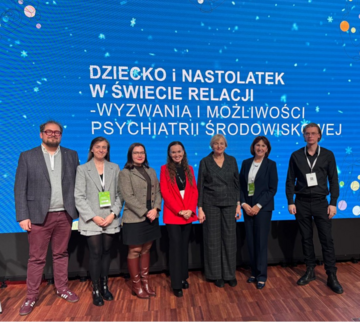
Figure 2: The main organizer (in the center), dr Aleksandra Lewandowska, the National Consultant in Child and Adolescent Psychiatry and the Founding Member of the Polish Society of Child and Adolescent Psychiatry, Psychology, Psychotherapy and Community Therapy with participants of the Congress.
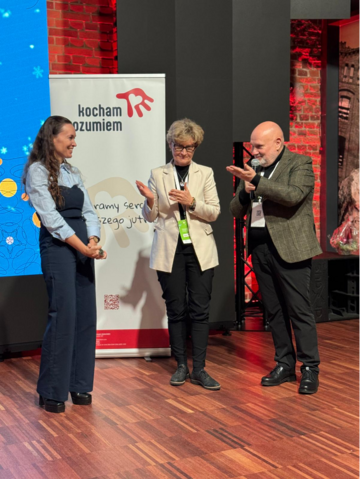
Figure 3: The Board Members of the Polish Society of Child and Adolescent Psychiatry, Psychology, Psychotherapy and Community Therapy, Dr Aleksandra Lewandowska, Prof. Anita Brynska and Prof. Tomasz Wolanczyk (from left to right) during the Congress
Developmental and Psychiatric Complexity
The first day of the Congress also explored the heterogeneity of developmental and psychiatric presentations in children and adolescents, with a particular focus on autism spectrum disorder, diagnostic complexity, and the impact of atypical or adverse experiences. Presentations addressed current epidemiological trends, sex-related differences in diagnosis, overlapping psychopathology, severe social withdrawal, the overlap between psychotic disorders and obsessive–compulsive symptoms, and the role of trauma in neurodevelopmental disorders.
Children and Adolescents in the Digital Environment
The second day started with a session examining the impact of the digital environment on the mental health of children and adolescents, highlighting both the risks and the potential opportunities for community-based psychiatric care. The presentations addressed early childhood exposure to digital media, the role of the virtual world in adolescent development, social media and psychological well-being, and innovative technological solutions in clinical practice. All in all, the session highlighted the need for balanced, developmentally informed, and innovative approaches to digital exposure and technology use within community-oriented child and adolescent mental health care.
Schools as a Developmental Environment
The role of the school environment was discussed during the panel “Education and Relationships in School as a Developmental Environment”. This session focused on the role of the school environment in supporting children’s mental health, emphasizing legal frameworks, relational dynamics, and resilience-building interventions within educational settings. Altogether, the session underscored the importance of schools as central environments for prevention, early support, and collaboration between educational and mental health systems, aligned with the principles of community-based child and adolescent psychiatry.
The Future of Community-Based Psychiatry
The Congress concluded with a session dedicated to the future of community-based approaches in child and adolescent psychiatry in Poland. The presentations examined epidemiological trends, longitudinal data, systemic pressures on mental health services, and clinical decision-making processes related to hospitalization. Taken together, the session highlighted the need for data-informed, reflective, and system-oriented approaches to the future development of community-based child and adolescent psychiatry in the context of ongoing social, political, and public health challenges.
Conclusion and Future Directions
We hope that our Congress underscored a pivotal moment in the evolution of child and adolescent mental health care in Poland, reaffirming the importance of community-based psychiatric approaches that extend beyond hospital walls into families, schools, and local environments. Across presentations and discussions, contributors highlighted not only the current challenges facing young people’s mental health — including the impact of digitalization, social determinants, and systemic pressures — but also the promise of collaborative, developmentally informed care models.
The Łódź Congress illustrates how structural reform can be accompanied by the development of a shared professional and intersectoral community. By bringing together mental health professionals, educators, policymakers, public institutions and perspectives centred on children and families, the Congress provided a forum for translating the principles of Poland’s child and adolescent mental health reform into dialogue, education and clinical practice.
The challenge ahead is to ensure that these principles become sustainable elements of everyday care across Poland. Continued scientific exchange, professional education, intersectoral collaboration and meaningful participation of young people and families will be essential if the reform is to translate into lasting improvements in child and adolescent mental health care. The event pointed toward a future in which community psychiatry becomes a sustainable cornerstone of mental health systems, with stronger intersectoral cooperation, earlier intervention, and richer support networks for children and adolescents.
All these endeavours, however, would never have been possible without our patients, who are a constant source of inspiration, joy and sorrow for us and always have to remain at the center. The drawings below (Figures 4, 5 and 6) are artwork created by children hospitalized in our psychiatric ward in our Department, and they serve as a reminder of this mission. They offer a form of emotional expression and non-verbal communication, reflecting individual experiences that may be difficult to articulate in words.
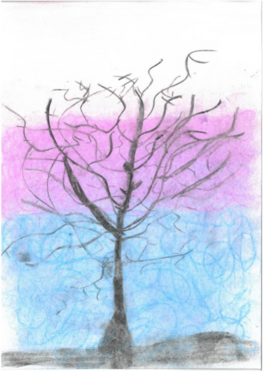
Figure 4: Drawing by one of the patients of the Department of Child Psychiatry, Babinski Hospital, Lodz, Poland.
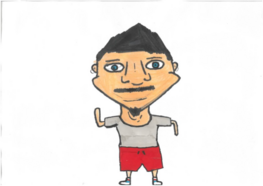
Figure 5: Drawing by one of the patients of the Department of Child Psychiatry, Babinski Hospital, Lodz, Poland.
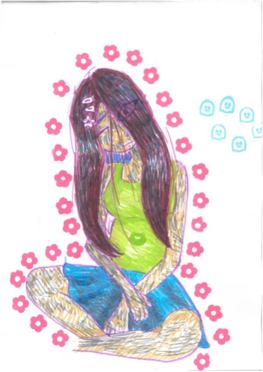
Figure 6: Drawing by one of the patients of the Department of Child Psychiatry, Babinski Hospital, Lodz, Poland.
Conflict of interest: None declared.
References
- Keeton V, Soleimanpour S, Brindis CD (2012) School-based health centers in an era of health care reform: Building on history. Curr Probl Pediatr Adolesc Health Care 42:132–156
- WHO (2024) Mental health of children and young people Service guidance. World Health Organization 17
This article represents the view of its author(s) and does not necessarily represent the view of the IACAPAP's Bureau or Executive Committee.
