

Colors of the Mind: How an Art Exhibition Gave Bucharest's Young Patients a Stage
By: Andreea Tudor, MD2 3, Andreea Socol MD, Phd stud1 3, Florina Rad, MD, Phd, Asoc. Prof.1 2 3
¹ “Carol Davila” University of Medicine and Pharmacy, Bucharest, Romania² Child and Adolescent Psychiatry Department, “Prof. Dr. Alexandru Obregia” ClinicalPsychiatry Hospital, Bucharest, Romania3 Romanian Association of Child and Adolescent Psychiatry and Allied Professions
In the spring of 2026, a surprising and powerful story unfolded in Bucharest, the capital of Romania. "Colors of the Mind," an exhibition organized by the Department of Child and Adolescent Psychiatry of the "Prof. Dr. Alexandru Obregia" Clinical Psychiatry Hospital, with the support of the Bucharest Administration of Hospitals and Medical Services (ASSMB), the Madrigal Choir and the "Care for Children" Association, brought together more than 120 paintings, art objects, and poems created by young patients of the clinic. For an audience used to encountering mental illness only through statistics or stigma, the exhibition offered a chance to meet these young people through their imagination, sensitivity and talent, rather than a diagnosis.
A Vernissage in a Heritage Villa
The exhibition opened on Thursday, May 7, with a vernissage held in a heritage villa in the heart of Bucharest, home to the Madrigal Gallery, a setting whose old-world elegance stood in quiet contrast to the rawness of the work on display.
More than 200 guests attended the opening night alone. Around 35 young artists, all patients of the Pediatric Psychiatry Clinic, saw their drawings, paintings, and mixed-media pieces on public display, many paired with short personal reflections offering a glimpse into the journey behind each piece. Children from the Cantus Mundi choirs added a musical interlude, turning an already moving occasion into a celebration.
For the following three days, the exhibition stayed open to the public free of charge, giving families, friends, neighbours, and passersby the chance to linger over the collection at their own pace.
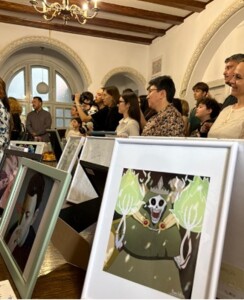
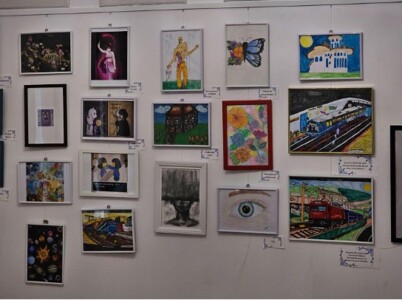
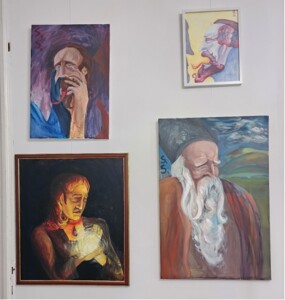
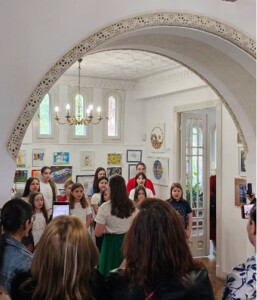
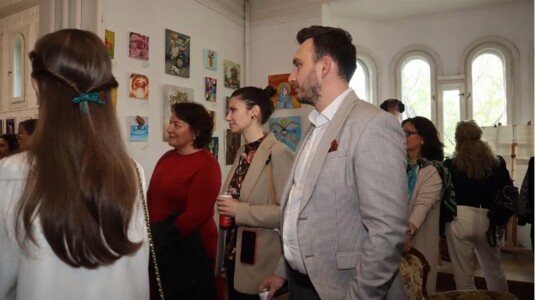
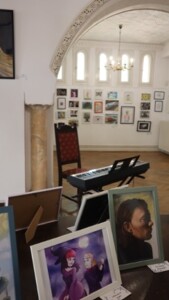
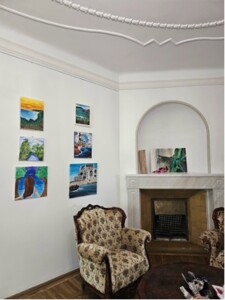
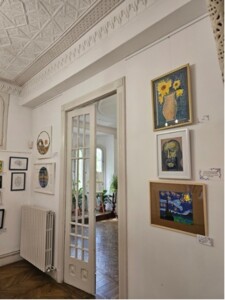
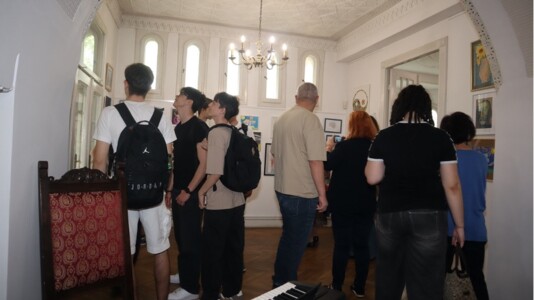
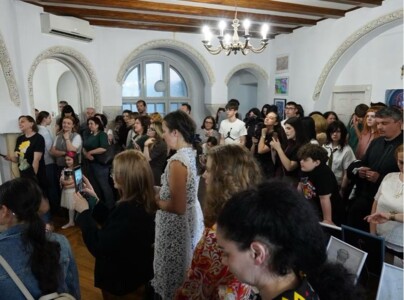
Figure 1–10: Colors of the Mind, Vernissage day, May 7 2026, Madrigal Gallery, Bucharest
From a City Villa to the Palace of the Parliament
What began as an intimate gathering in a historic villa soon grew far bigger, in scale and symbolism. On June 1st, "Colors of the Mind" opened its second chapter inside the Palace of the Parliament, one of the largest and most imposing buildings in the world and arguably the most public stage Romania has to offer. Moving the work into the halls of a national landmark turned a therapeutic project into a public statement about visibility, dignity, and belonging.
Across its two stages, the exhibition drew more than 6,000 visitors, a striking reach for an initiative that began inside a psychiatric clinic. Parents and siblings saw their children's work treated as real art. Friends and classmates showed up in support. Tourists exploring one of the country's most visited landmarks stumbled onto the honest, unfiltered creativity of young people who had never had a public platform.
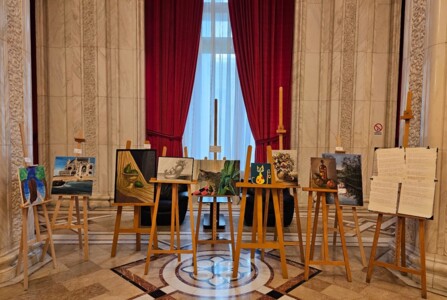

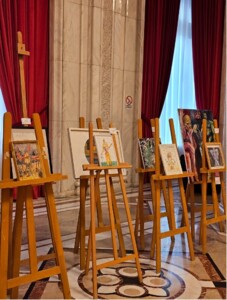
Figure 11-13: Colors of the Mind, June 1 2026, Palace of the Parliament, Bucharest
Why Events Like This Matter
Art therapy has long been used in psychiatric care because it gives children and adolescents, who may not yet have the words for what they're feeling, a way to externalize emotions otherwise locked inside. A painting can hold grief, fear, or hope in ways words sometimes can't, and that value doesn't have to stop in the therapy room.
Exhibiting the work publicly adds a second layer of healing: recognition. Being seen as a creator rather than a patient can shift how a young person understands their own identity, at an age when identity is still under construction. The ripple effect goes further: each visitor who walks away with a more human understanding of youth psychiatric care becomes part of the effort to break down stigma.
There's a family dimension too: parents, who often carry their own quiet worries, find it validating to watch strangers appreciate their child's work. And for the young patients, having friends, classmates, and strangers show up for them helps rebuild social connections that illness often interrupts.
More Than an Exhibition
"Colors of the Mind" is not a one-off idea. Its first edition took place in 2025, staged within the hospital itself, and its success planted the seed for something bigger: the dream of giving these children and adolescents a stage worthy of their talent, and of sending the public a clear signal that mental illness in young people deserves understanding rather than silence. That dream is what carried the project, a year later, beyond the hospital's walls and into the public eye.
The organizers see "Colors of the Mind" as part of a broader push to expand expressive therapies within Romania's pediatric psychiatric care system, arguing that creative expression deserves a permanent place alongside conventional treatment, not as a decorative extra, but as a genuine therapeutic tool. Judging by this year's response, thousands of visitors, extensive press coverage, and a journey from a national gallery to the halls of Parliament, the exhibition succeeded not only as art, but as a colorful argument for how a society ought to treat its most vulnerable young minds.
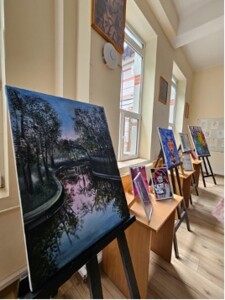
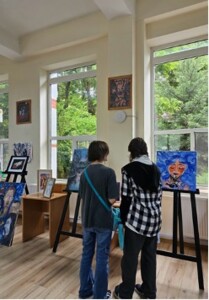
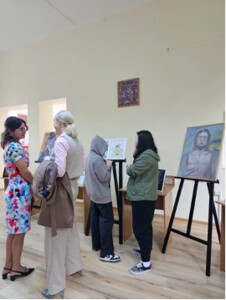
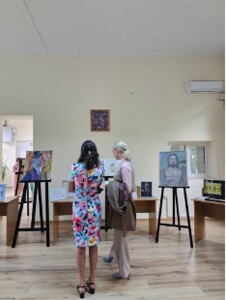
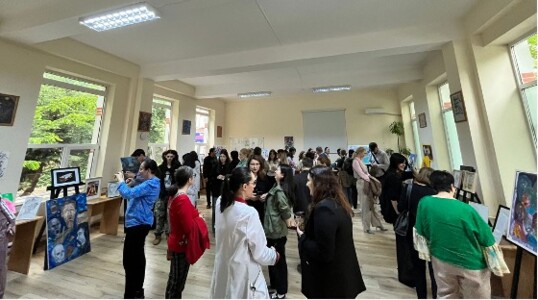
Figure 14-18: Colors of the Mind, May 31 2025, “Prof. Dr. Alexandru Obregia” Clinical Psychiatry Hospital Bucharest
Finally, this exhibition would not have been possible without the initiative of the Romanian Association of Child and Adolescent Psychiatry and Allied Professions (ARPCAPA), whose vision set the project in motion, nor without the dedicated team of resident doctors who worked tirelessly to bring it to life. We are equally grateful to the Romanian institutions that recognized the importance of reducing stigma around mental health and came together to give young patients a stage and, most of all, to the children, adolescents, and their parents who found the courage to expose something so personal to public eyes.
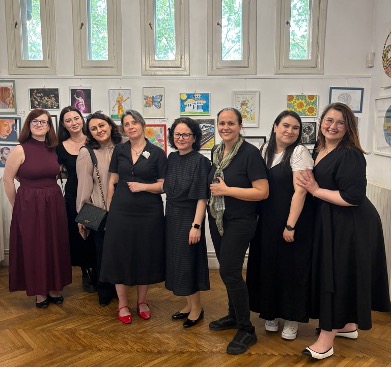
Figure 19: Vernissage day - part of our team
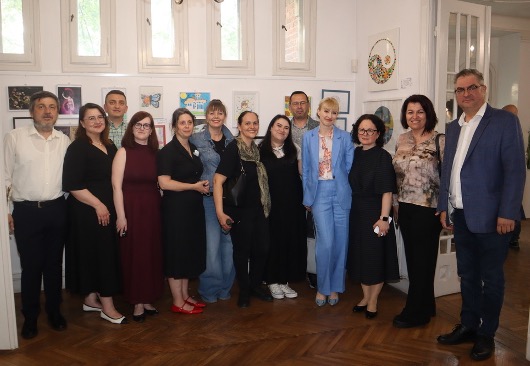
Figure 20: Vernissage day - part of our team
Conflicts of interest: The authors declare no conflict of interest related to this submission.
This article represents the view of its author and does not necessarily represent the view of the IACAPAP's Bureau or Executive Committee.
