

Building a Stronger European CAP Community: An Update from the EFPT Child and Adolescent Psychiatry Working Group
By: Caroline Vassallo, Diana Calabiciov, Farshid Monshizadeh Tehrani1
1Child and Adolescent Psychiatry Working Group, European Federation of Psychiatric Trainees (EFPT)
The Child and Adolescent Psychiatry (CAP) Working Group is part of the European Federation of Psychiatric Trainees (EFPT), the umbrella organisation representing psychiatric trainees across Europe. The Working Group brings together trainees with an interest in child and adolescent mental health to promote collaboration, education, research and advocacy across European countries. Through partnerships with IACAPAP and other international organisations, EFPT-CAP seeks to strengthen trainee representation, facilitate the exchange of ideas, and create opportunities for education, leadership, and professional development. Our aim is to build a connected European CAP trainee community that empowers the next generation of child and adolescent psychiatrists to advance knowledge, improve clinical practice, and promote better mental health outcomes for children and adolescents worldwide.
At the 2026 EFPT Forum in Bucharest, Romania, Dr Caroline Vassallo, a third-year psychiatry trainee from Malta, was elected as the new EFPT Child and Adolescent Psychiatry Secretary. Caroline succeeds Dr Farshid Monshizadeh Tehrani, who contributed to strengthening CAP representation within EFPT and developing collaborations with international partner organisations. On behalf of the Working Group, we thank Farshid for his commitment and contributions.
Entrustable Professional Activities (EPAs) are recognised as a way to translate competency-based curricula into clinical practice. By defining the key professional tasks trainees should perform independently by the end of training, EPAs provide a framework for learning and assessment. The UEMS Child and Adolescent Psychiatry Section is developing a core set of European EPAs.
The project began with a literature review and development of an initial EPA framework in collaboration with child and adolescent psychiatrists and trainees. It was first presented as a poster at the IACAPAP World Congress 2026 in Hamburg, generating valuable discussion.
Building on this work, an interactive workshop was organised during the EFPT Forum 2026 in Bucharest. Around 17 trainees from across Europe were divided into four mixed international groups. After an introduction to the EPA concept, each group drafted two or three EPAs they considered essential for child and adolescent psychiatry training. Facilitators moved between groups to guide discussions. The workshop concluded with a plenary discussion in which participants reflected on the session and shared feedback on the EPAs. The discussions were lively, with participants expressing enthusiasm for the initiative and interest in continuing to contribute.
The ideas and feedback gathered during the workshop will help refine the initial EPA framework. The next phase of the project will continue the development of a European core set of EPAs through stakeholder engagement and consensus-building, supporting workplace-based training and assessment across national contexts.
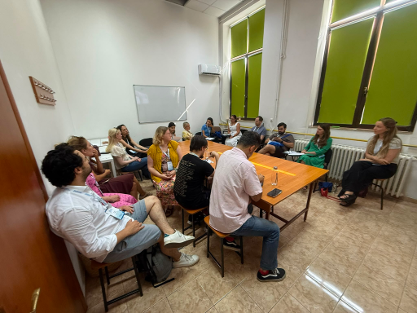
Figure 1: Members of the EFPT Child and Adolescent Psychiatry Working Group at the 2026 EFPT Forum in Bucharest, Romania.
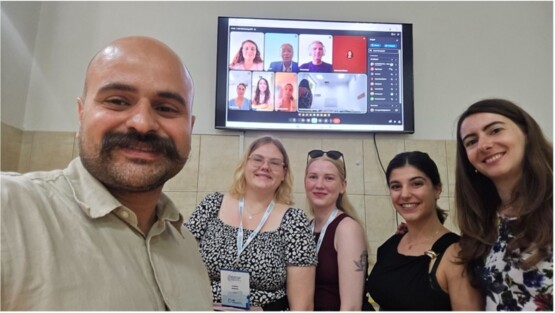
Figure 2: The quadrilateral meeting of early-career psychiatry networks, held during the CAP session of the EFPT Forum in Bucharest.
As part of the Forum, the CAP Working Group, which was then chaired by Dr Farshid Monshizadeh Tehrani, hosted representatives from three international early-career organisations: Dr Charlene Gumbo (IACAPAP), Dr Konstantinos Kotsis (ESCAP), and Dr Lamia Jouini (WPA). The meeting provided an opportunity to explore ways of strengthening collaboration in early-career CAP and introduced trainees to international opportunities in education, research, leadership, networking, and upcoming congresses. Participants also discussed how trainees can contribute more actively to international organisations. By connecting European and global networks, this initiative aims to expand access to opportunities and foster joint projects. Through continued collaboration, it has the potential to build a more connected and innovative future for child and adolescent psychiatry.
Over the coming year, the Working Group will focus on strengthening CAP representation within EFPT, improving communication between trainees, expanding educational opportunities, and fostering collaboration with partner organisations.
We were delighted to participate in the 2026 IACAPAP World Congress, where we had the opportunity to meet colleagues from across the globe and exchange ideas on trainee engagement, education, and leadership. These discussions reinforced the value of connecting early-career child and adolescent psychiatrists across regions to share experiences, learn from one another, and develop future collaborations.
We look forward to building on these connections through joint educational initiatives, collaborative research, and advocacy. If you are involved in an early-career child and adolescent psychiatry network or trainee organisation from outside Europe, we would be delighted to connect, exchange experiences, and explore opportunities to work together in supporting the next generation of child and adolescent psychiatrists.
Conflict of interest: None declared.
This article represents the view of its authors and does not necessarily represent the view of the IACAPAP's Bureau or Executive Committee.
